What is an immersive projection experience?
An immersive projection experience uses surrounding visual content to change how an audience perceives a physical setting. Walls, architectural features or shaped surfaces can become part of the story. The visitor remains in a real place, while imagery gives that place another atmosphere, scale or identity. The meeting of physical space and imagined content is central to its appeal.
Projection mapping is a related format in which visual content engages with the form of a surface. In an AI-created projection concept, generated imagery provides the creative material for that encounter. The focus here is the resulting experience: a surface that appears to transform, a room that seems to open into another world or a sculptural object that acquires a shifting visual presence.
When the venue contributes to the story
A projection experience can draw meaning from the space itself. A long wall suggests movement and discovery. A circular setting invites a surrounding composition. A sculpted form creates a relationship between shape and image. These physical qualities make every location a particular creative opportunity, rather than an empty backdrop for interchangeable content.
AI-generated immersive visuals offer an expressive way to explore that opportunity. Imagined textures, environments and moving forms can give a familiar space an unfamiliar character. The most effective creative direction lets the venue and the visual idea belong together. Visitors should feel that the world has found its place, rather than that a conventional film has simply grown larger.
AI-created content for immersive rooms
An immersive room can offer a shared journey through changing environments. One moment might feel expansive and quiet; another might surround the audience with vivid movement. The creative challenge is to connect those moments into a world with its own rhythm. A room-sized canvas rewards compositions that consider where people stand and how they look around.
The emerging future of AI immersive content brings greater creative freedom to those compositions. A visual direction can explore imagined nature, abstract architecture or impossible material transformations. Each visual direction offers a different emotional character for the space and a different kind of discovery for the audience. An intimate environment can be just as distinctive as an expansive one.
From sculptural objects to surrounding environments
A small mapped object and a large immersive room operate at different scales, but both connect imagery with physical presence. An object can invite close attention to its contours. A surrounding environment can create a broader feeling of being inside the visual world. The content’s purpose changes with the distance, the setting and the audience’s relationship to the surface.
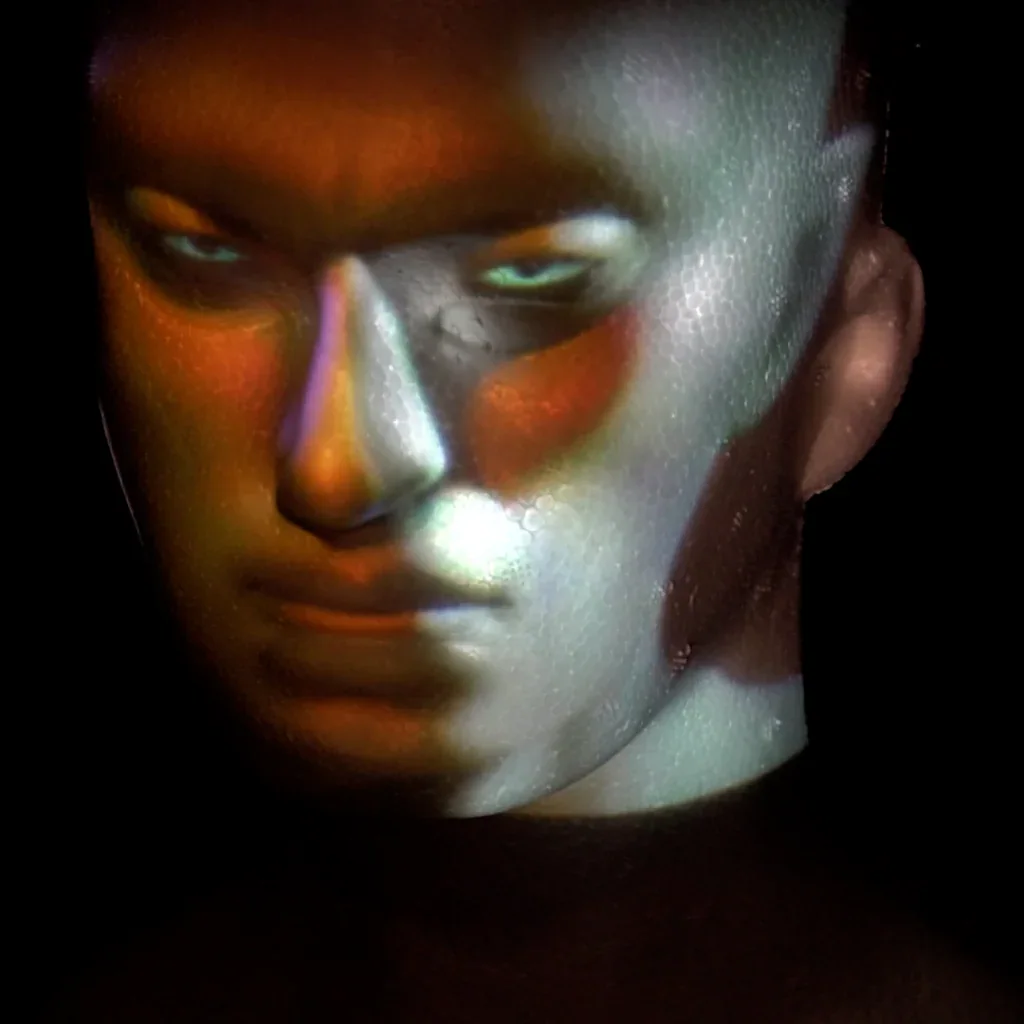
MunchingSquare’s AI projection-mapping research visual offers one example of that meeting between generated imagery and a sculpted form. This studio R&D connects generated visual content with the character of a physical surface. Alongside MunchingSquare’s wider spatial expertise, it points towards a future in which a visual world and its physical setting are conceived together.
High resolution is part of spatial impact
Large visual surfaces can make detail unusually noticeable. Fine textures, clear silhouettes and carefully judged contrast help an environment feel rich without losing its overall composition. Resolution supports those qualities, while the relationship between the content and the space remains essential. A compelling immersive projection experience has a visual idea that holds together from different positions.
MunchingSquare’s secret, proprietary AI pipelines are designed to create high-resolution immersive experiences at scale. The pipelines stay behind the scenes. What visitors encounter is the creative result: imagery shaped around spatial storytelling, a recognisable atmosphere and a sense of presence. This is the studio’s positioning within an emerging field of immersive content creation.
The physical viewing perspective
A surface with its own character
Where contour and imagery meet
A physical form influences how visual content is perceived. Curves can make an image feel sculptural, while a broad surface can create a more expansive impression. The encounter becomes distinctive when the visual identity acknowledges those qualities and gives the audience a coherent relationship between image and space.
A new canvas for brand and cultural experiences
For brands, immersive projection can make a campaign’s world tangible without requiring the audience to imagine everything from a flat image. For cultural spaces, it can create an expressive environment around a theme. For events, it can give a place a distinct visual identity that audiences experience together. The format’s strength is its relationship with the surrounding physical setting.
If your idea belongs in a space rather than inside a frame, explore MunchingSquare’s immersive expertise. The studio’s proprietary AI creation approach is designed for high-resolution content at scale, with the methods kept confidential. Visit MunchingSquare to discuss the world you want to create, the audience it should welcome and the kind of presence it should leave behind.